When it comes to ensuring the comfort and well-being of loved ones, nothing beats around the clock home health care. Imagine having peace of mind knowing that someone is there to attend to your family member’s needs, no matter the hour. It’s like a second pillow that always offers support, day and night. Let’s jump into the ins and outs of this critical service, where care meets convenience, and your sanity can finally take a breather.
What Is Around The Clock Home Health Care?
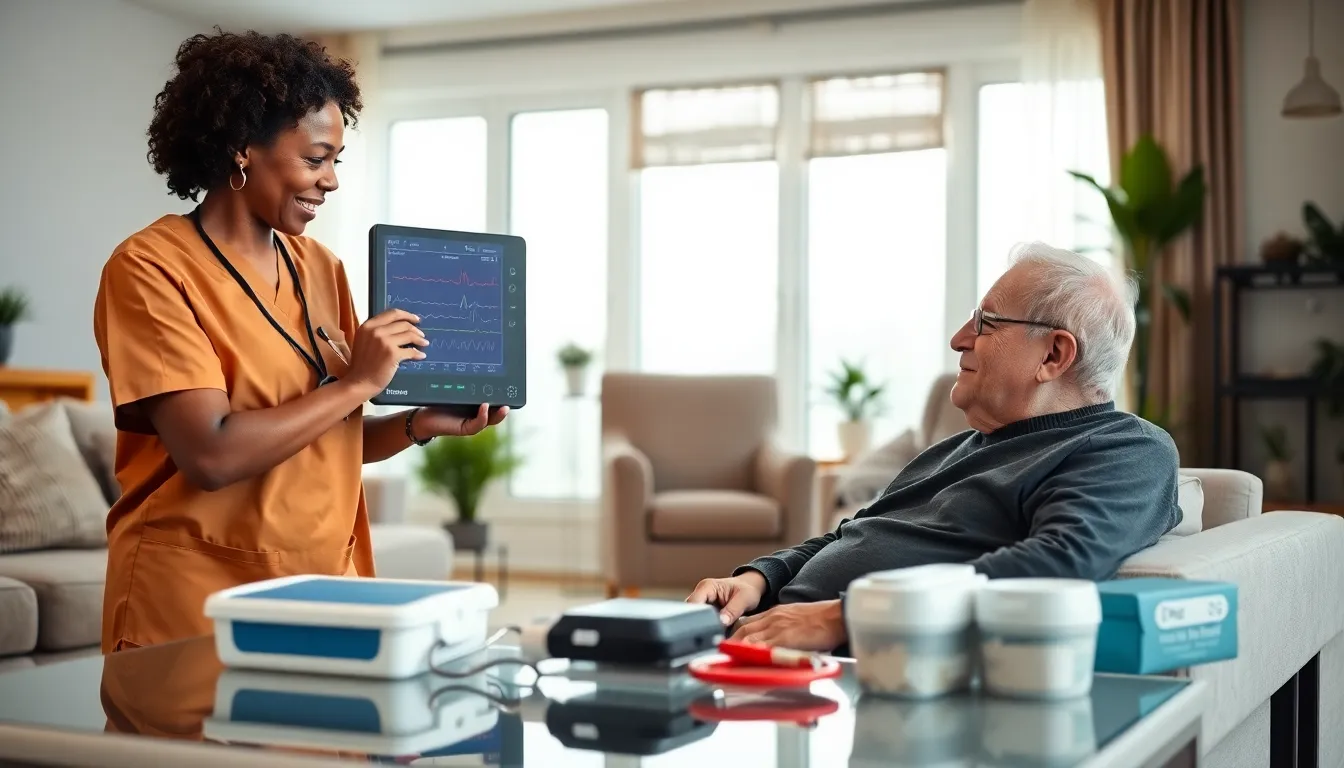
Around the clock home health care refers to comprehensive services that cater to individuals needing assistance 24 hours a day. This can range from basic personal care to complex medical support, all delivered within the comfort of home. Patients could include seniors, individuals recovering from surgery, or those with chronic illnesses requiring constant oversight. Caregivers, trained professionals, provide these services, ensuring that every need is met, whether it’s medication management, personal hygiene, or companionship.
Benefits Of Around The Clock Home Health Care
- Personalized Care: With around the clock support, care is tailored to the individual’s needs. Clients receive attention that aligns perfectly with their specific health requirements.
- Comfort of Home: Being at home can improve recovery rates. Familiar surroundings can positively influence mental health and emotional well-being.
- Reduced Hospital Visits: Continuous monitoring helps prevent emergencies that could lead to unnecessary hospital stays. It’s easier to manage health conditions from home.
- Flexibility for Families: Family members can live their lives without constant worry. They know that their loved one is in capable hands, which alleviates stress.
- Enhanced Quality of Life: With focused care, individuals often experience an improved quality of life, enabling them to engage in activities they enjoy.
Types Of Services Offered
Around the clock home health care encompasses a variety of services:
- Personal Care Services: This includes bathing, grooming, dressing, and assistance with activities of daily living.
- Medical Care: Licensed nurses may provide medical services like wound care, medication administration, and regular health assessments.
- Physical Therapy: For those recovering from surgery or injury, physical therapy can be conducted in-home, ensuring continuity in recovery practices.
- Companionship Services: Social interaction is crucial, especially for seniors. Caregivers can provide conversation, help with hobbies, or simply share a meal.
- Respite Care: This supports family caregivers. It allows them to recharge while professionals step in to provide care.
Choosing The Right Provider
Selecting the right home health care provider is critical for ensuring quality care. Here are key points to consider:
- Accreditation and Licensing: Ensure the agency and its caregivers are licensed and accredited. This guarantees compliance with health regulations.
- Experience and Specialization: Look for providers specialized in the relevant medical areas, such as geriatrics or rehabilitation, which align with your loved one’s needs.
- Caregiver Training: Qualified caregivers should undergo thorough training. Inquire about their certifications and continuous education.
- Reviews and References: Check online reviews or ask for references. Hearing from others’ experiences can provide insights.
- Availability: Verify that the agency can provide consistent staffing, especially for those needing continuous care.
Cost Considerations
Understanding the costs associated with around the clock home health care can feel overwhelming but is crucial:
- Hourly Rates: Many agencies charge hourly. Rates can vary based on the level of care needed, with specialized services costing more.
- Insurance: Check if Medicare or Medicaid covers certain services. Some private insurances may offer plans that include home health care.
- Out-of-Pocket Costs: Plan for additional costs, such as supplies or transportation to appointments.
- Budget Planning: It’s wise to set a budget considering both current and anticipated health needs, along with care expectations.
Impact On Family Caregivers
The emotional and physical toll on family caregivers can be significant. Here’s how around the clock care can help:
- Reduced Stress Levels: With professional caregivers taking on demanding tasks, family members can focus on providing emotional support rather than managing every aspect of care.
- Time for Self-Care: Family caregivers often neglect their health. With around the clock services, they can prioritize their own well-being.
- Improved Relationships: Having a professional caregiver allows family members to genuinely enjoy their loved ones’ company without the burden of caregiving responsibilities.
- Support Networks: Some agencies offer support groups and resources that help family members navigate this journey together.